Two Years In, Still Figuring It Out
Dear Diary,
It's been a while since I last wrote about finding a job in Japan.
When I first moved here, getting a job was one of the biggest hurdles. Between navigating the language barrier, figuring out the Japanese recruitment process and securing a work visa, I was mostly focused on getting my foot in the door.
At the time, I wasn't entirely sure what I wanted from my career here. I just knew I wanted to work in Japan, experience a different working environment and hopefully build something beyond what I had already known.
Looking back, I've come quite a long way since then. I've changed jobs, worked with different teams and clients, and gained exposure to parts of the industry I probably wouldn't have experienced had I stayed where I started.
But getting a job was only one part of the equation. The other was learning how to navigate a working environment that was different from what I had known, while figuring out what kind of career I actually wanted to build here.
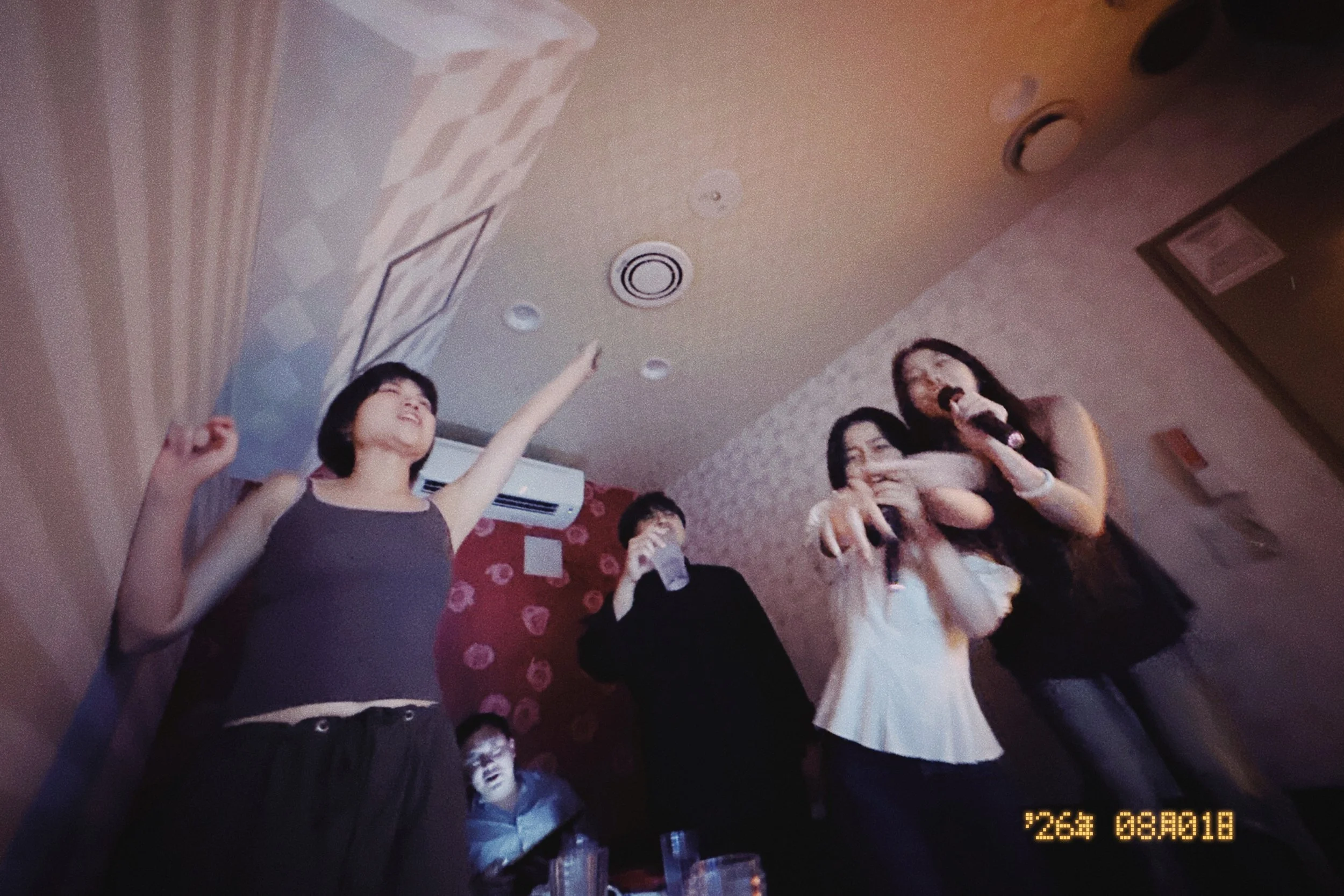
Not everything is work in Japan, but there’s meeting new friends too!
Learning to work with Japanese clients
One of the biggest changes since my first job has been learning how to work more closely with Japanese clients.
When I was previously based in Singapore, I had some exposure to Japanese teams and clients, but being on the other side of the table is a rather different experience.
One thing I've come to appreciate is the emphasis on 報連相 (ほうれんそう), which stands for reporting, sharing updates and consulting with the relevant people. There's generally more emphasis on keeping everyone informed and aligned throughout the process, rather than just providing updates when something comes up.
🥬 Fun fact: 報連相 is pronounced hourensou, which also happens to sound like ほうれん草 (spinach) in Japanese. Think of it as the Japanese workplace's very own spinach!
報告 (Houkoku): Reporting
連絡 (Renraku): Communicating / sharing information
相談 (Soudan): Consulting / seeking advice
There's also an interesting balance between wanting to know and actually needing to know.
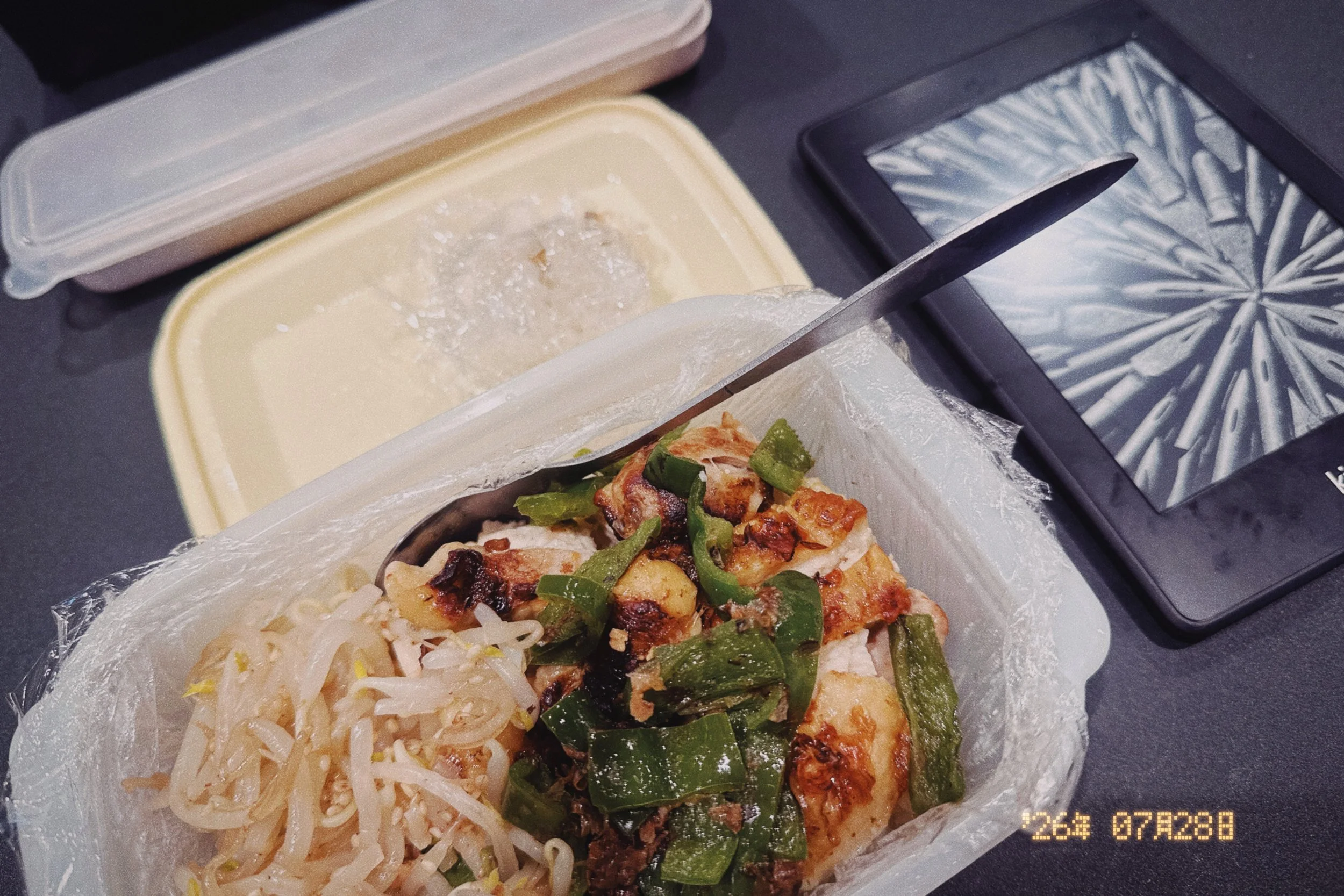
Not Spinach but Piman. Close enough. Started making bento box to work. Me, my food and my kindle.
Sometimes, it feels like there's an expectation to have every possible detail accounted for, even when not all of it is necessarily essential to the bigger picture. I've noticed something similar when it comes to reporting, where there's often a desire to have as many metrics and details available as possible, rather than narrowing things down to what's most relevant.
I've also learnt that the focus is often on making sure what's been agreed upon in the original plan is properly delivered, reported and communicated. If there's a need to make changes along the way, it's usually important to have the main client's understanding and agreement rather than making decisions on the fly.
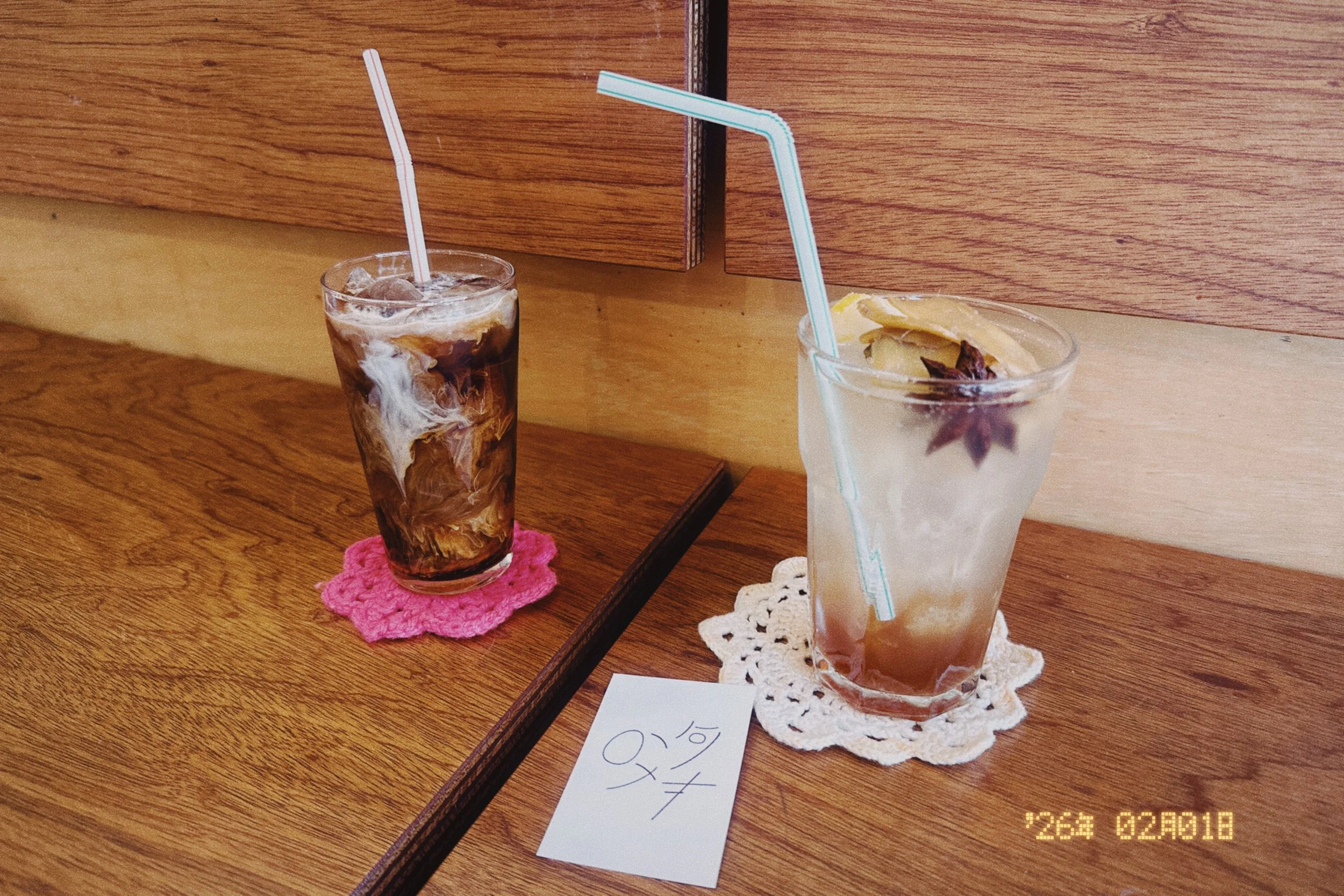
Homemade ginger ale at ハタメキ cafe (Hatameki Cafe)
Something else that came full circle was my understanding of alignment meetings.
Back when I was in Singapore, I used to wonder why there were so many meetings and rounds of confirmation whenever we worked with the Japanese team.
Now that I've experienced working on this side myself, I understand a little better why those alignments happen.
I've found that, compared with some other markets I've worked with, there's less room to simply take something back or reverse what has already been communicated once expectations have been set. Of course, mistakes happen everywhere, and Japanese clients are no exception. But I've found that there's often more room for flexibility once a certain level of trust has been established.
In a way, those initial alignments are also an opportunity to establish expectations before getting things underway. Interestingly, this can happen even when not every process or detail has necessarily been fully established on either side. There's still an expectation that everyone understands and agrees on the approach before moving forward.
I suppose it's one of those things that's easier to understand once you've experienced it yourself.
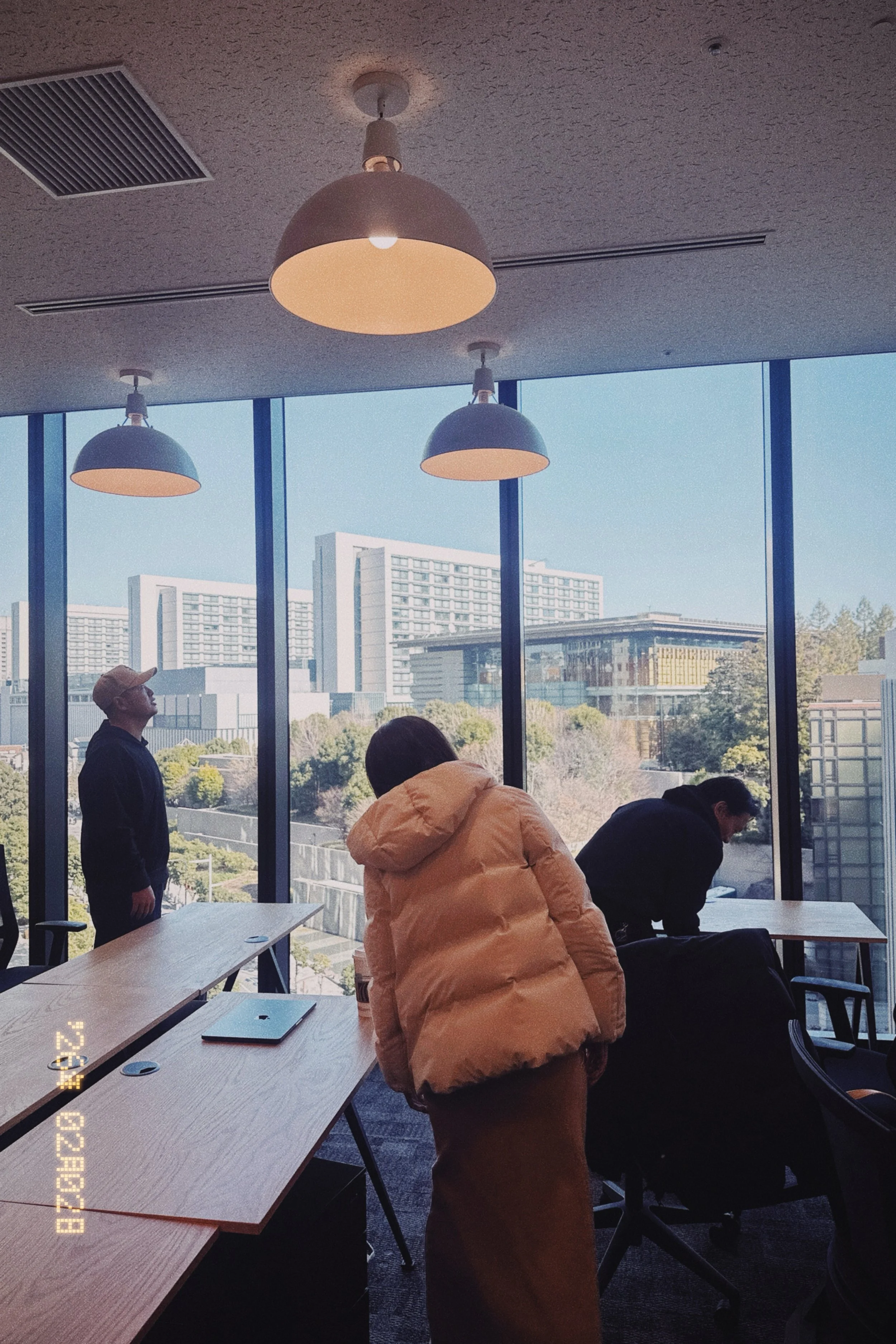
Exciting when we first moved into a wework with a great view.
Changing jobs, finding my own answers
When I first considered changing jobs, my reasons were relatively straightforward.
I wanted better compensation and more exposure to working with Japanese clients. At the time, I also felt that having limited Japanese-language experience was making it difficult to explore other opportunities in Japan.
Changing jobs served its purpose.
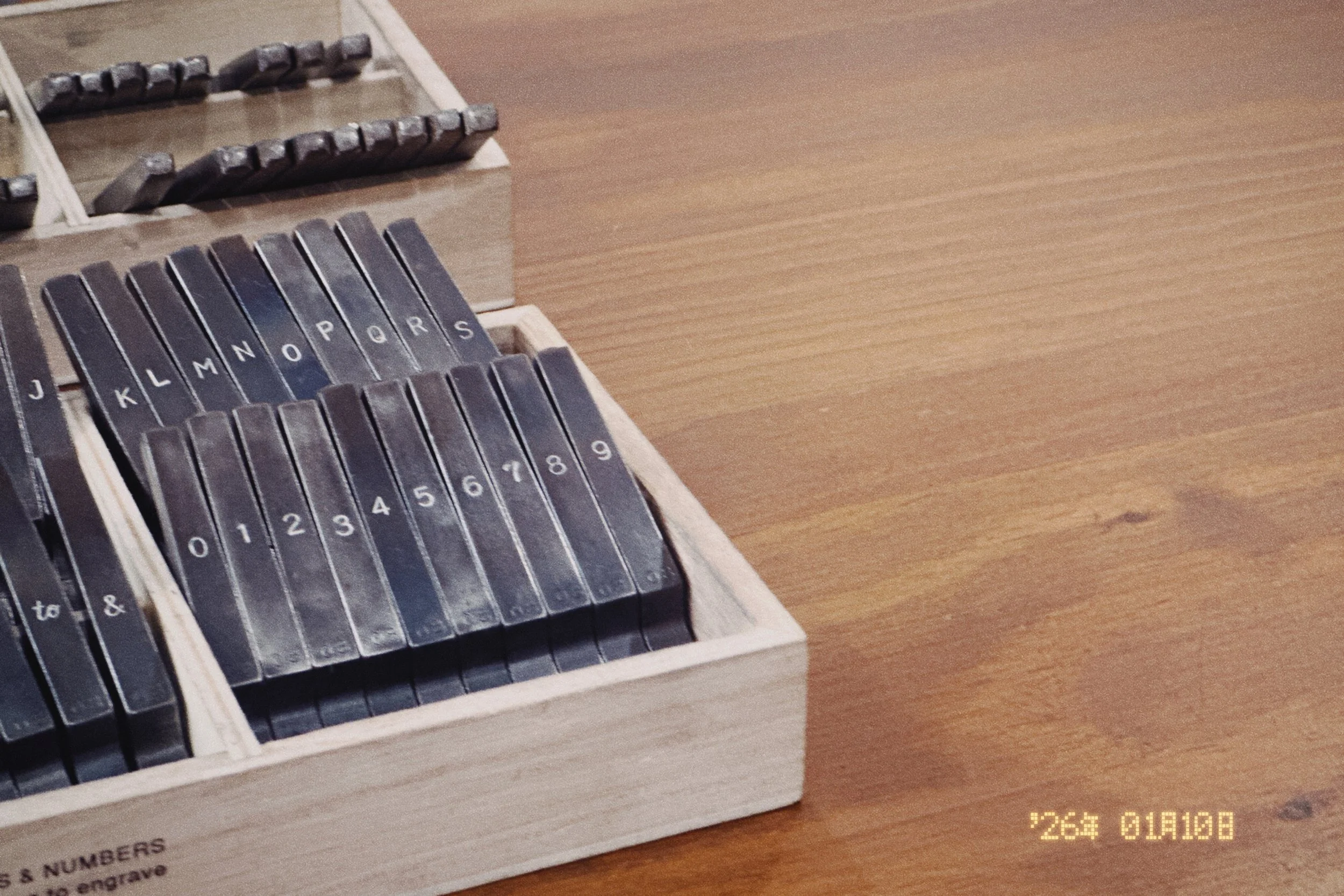
Ring Making During a pocket of free time.
I got the opportunity to experience a different working environment, work more closely with Japanese clients and understand what it was like to operate in a different kind of organisation.
But perhaps the biggest takeaway wasn't necessarily what I gained from the job itself. It was what I learnt about the kind of work I wanted to do moving forward.
I realised that I wanted to continue growing technically.
I enjoy understanding the platforms, the operational side of advertising and how things work behind the scenes. I also enjoy maintaining good working relationships with Japanese clients and understanding their business needs.
I realised that I wanted to continue growing technically,
but I also recognised that getting closer to the client-facing side of things was one of the fastest ways to understand their business needs, expectations and ways of working.
It wasn't necessarily the direction I would have chosen for myself, and I still find the idea of being client-facing, even in English, a little intimidating. But I also came to understand the value of stepping outside my comfort zone, especially when the opportunity to learn from it presented itself.
Through the experience, I learnt that I could appreciate and benefit from client-facing exposure without necessarily wanting it to become the centre of my career.
Sometimes, changing jobs doesn't give you a completely different answer. It helps you become more certain about the answer you already had.
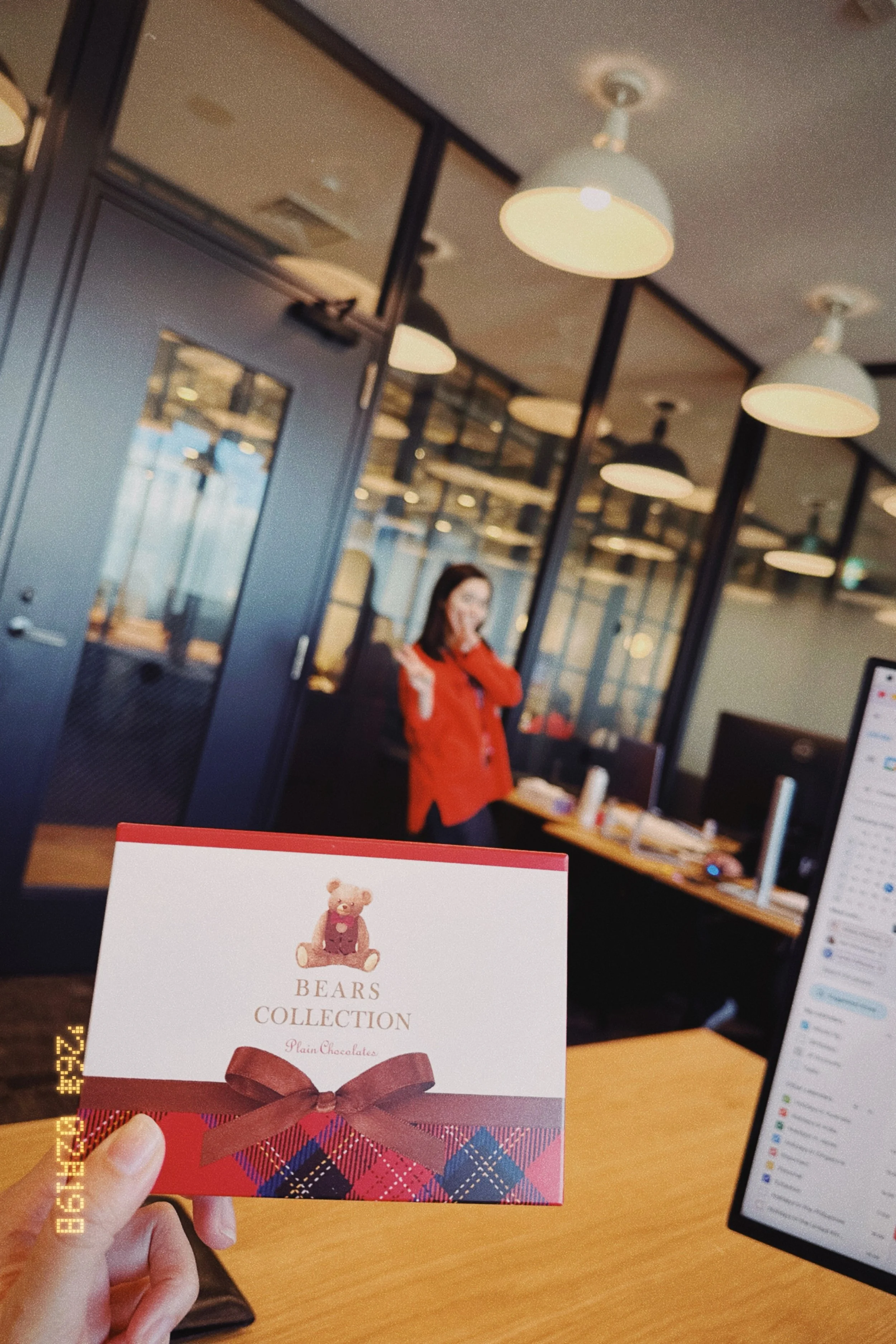
My manager gave me chocolates for Valentine’s Day!
Building something comes at a cost
Another experience I probably wouldn't have understood until I went through it myself was working in a relatively new venture.
Being part of a growing Japan office during its first year meant that there was a lot to establish and prove. I was the first three hires and had to buy my first suit and work pants… The freshly graduated me could have never imagined.
When you're part of a growing team, you're often expected to wear many hats.
Coming from more established organisations, I wasn't entirely sure what the norm should look like in this environment.
I had previously interned at a venture company for eight months (I also shared one of my projects here!), so I thought I was somewhat familiar with the fail-forward mentality often associated with start-ups. Back then, I was probably more gung-ho about trying things out, learning from mistakes and figuring things out along the way.
But my experience building a new office in Japan felt rather different.
There was a stronger emphasis on establishing credibility and building long-term trust, which meant putting more checks, processes and safeguards in place before moving forward. Even the composition of the team reflected that need for experience and credibility. While I understand why these things were important, I did find that they could sometimes slow down the agility I had previously associated with working in a venture environment.
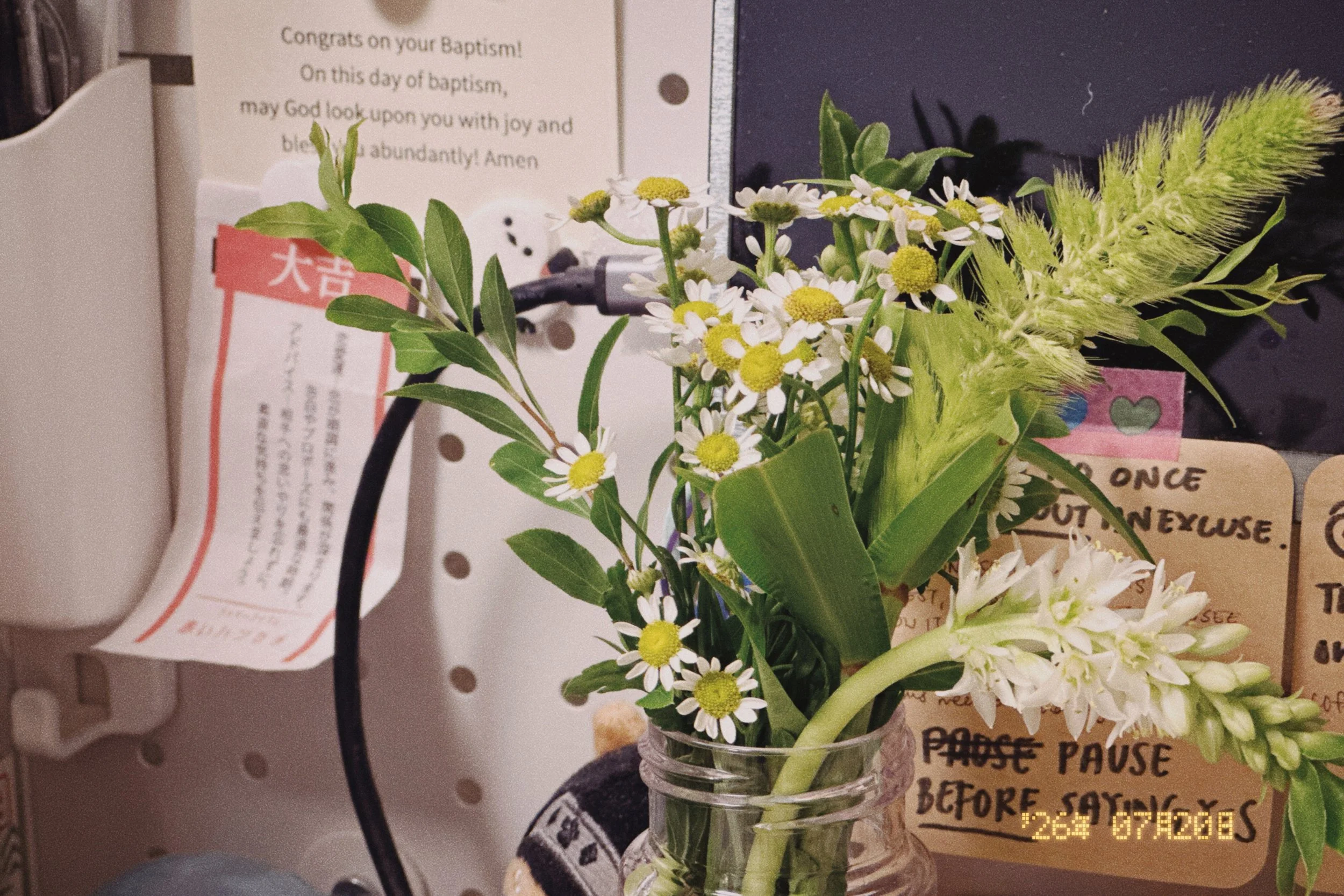
Started buying table flowers to add colours to my day. Flowers should be accessible!
I sacrificed quite a bit of my free time and, if I'm being honest, my health along the way.
But I also recognise that part of the difficulty was not knowing where those boundaries should be in the first place.
When you're trying to prove yourself and contribute to something that's still being built, it's easy to keep going without questioning whether the pace is sustainable.
I don't think this is necessarily unique to working in Japan, nor would I say that every company operates this way. I think the environment I was in played a significant part in shaping my experience.
Still, it taught me something important: being committed to your work and being available for everything are not necessarily the same thing.
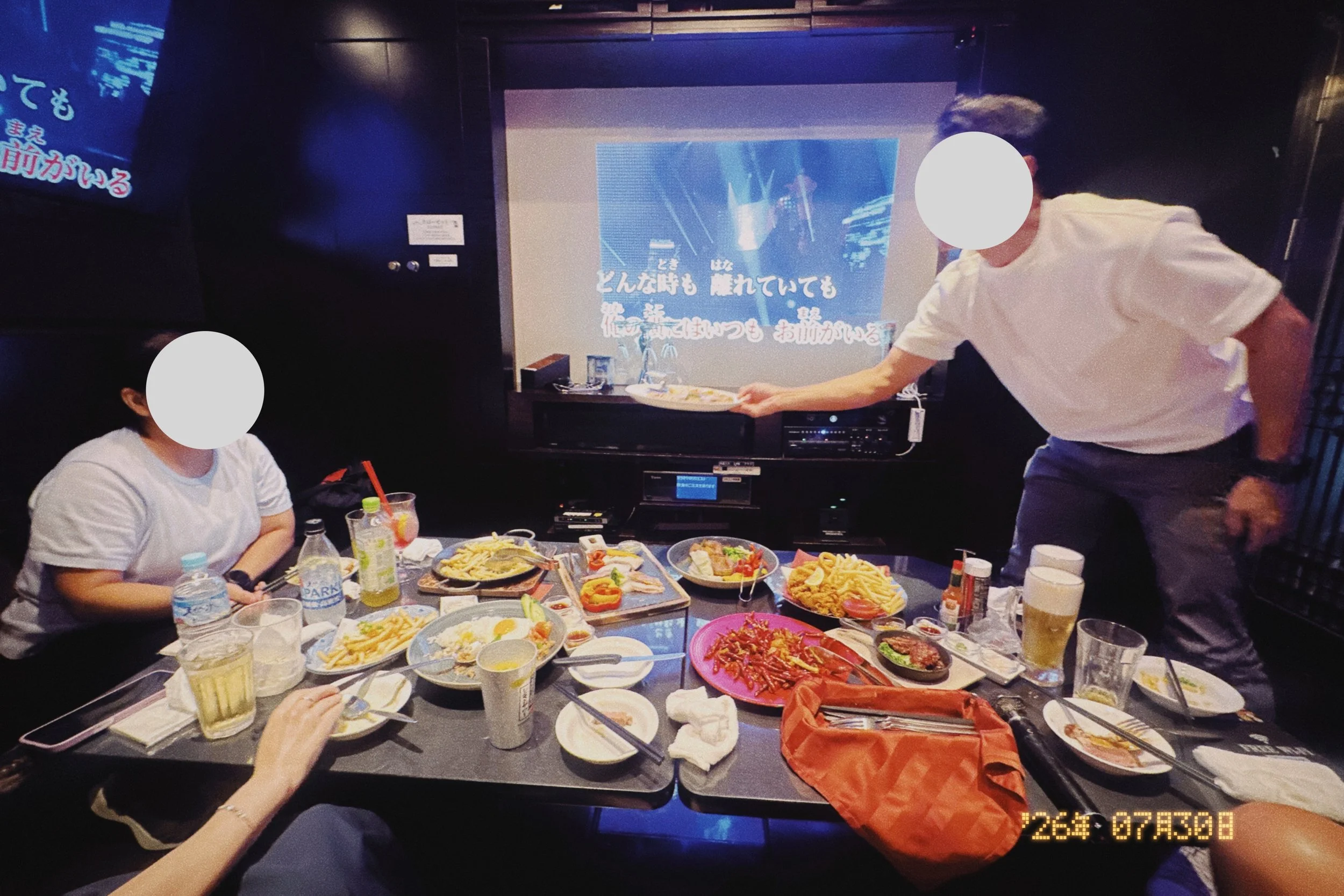
Nomikai 飲み会 and Karaoke sessions are the times I cherish as I know more about the people I work with.
I have come further than I thought
If the version of me who had just secured her first job at WPP/GroupM could see where I am today, I think she'd be quite surprised.
Back then, I was worried about getting stuck in an English-speaking environment despite having moved to Japan. At the same time, I was also worried that moving into a more Japanese working environment would be overwhelming and eventually lead to burnout.
There was a lot of uncertainty about whether I could actually make it work.
But since then, I've had opportunities that I probably wouldn't have imagined at the time. I've grown technically, developed my understanding of the industry and become more accustomed to working with Japanese clients and colleagues.
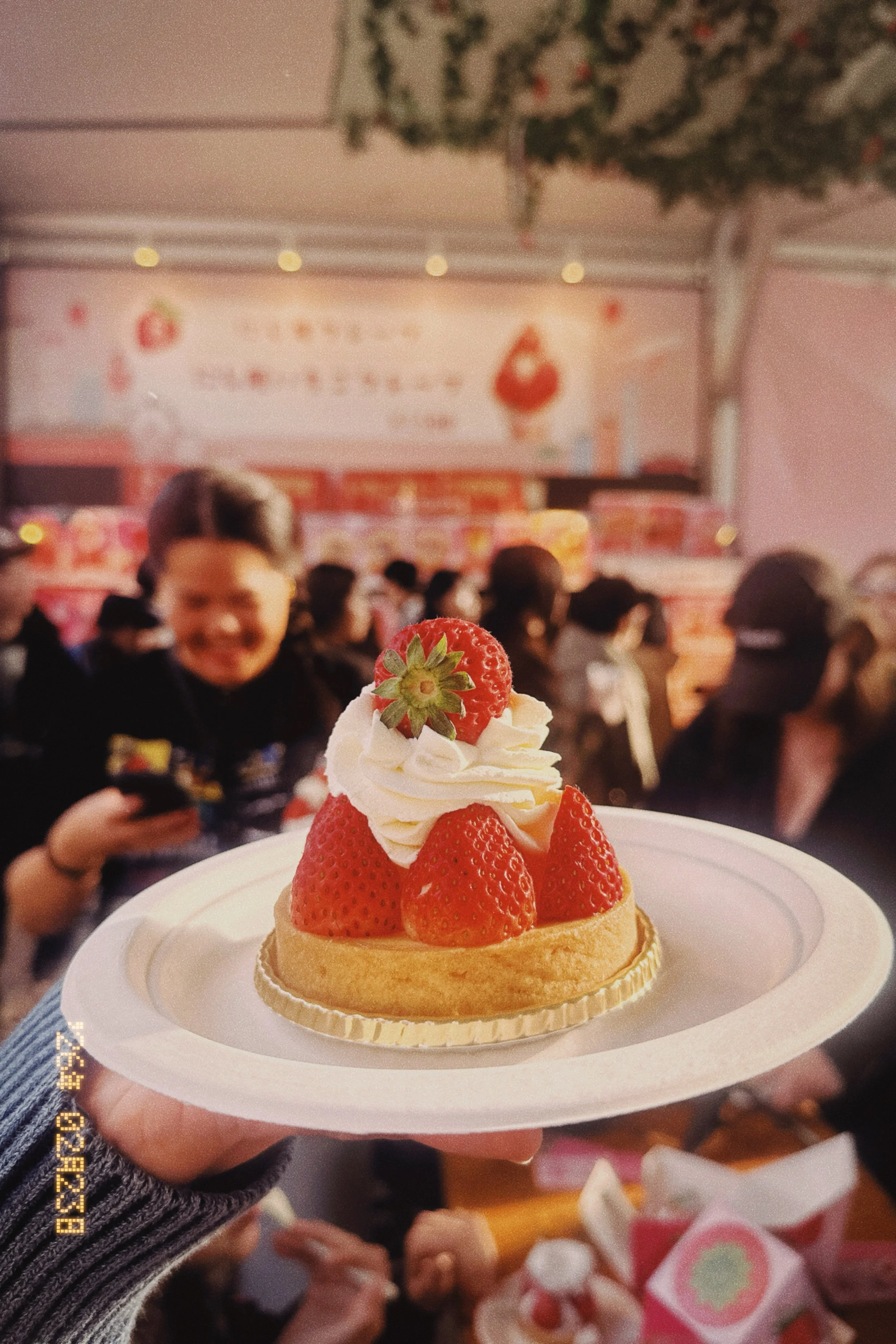
Went for a strawberry festival @ Yokohama but I don’t eat fruits.
My Japanese isn't perfect, and I certainly still have plenty to learn. But I've come a long way from where I started. At least I now know how to do 名刺交換 (meishi koukan, exchanging business cards) and get through the usual お世話になっております (osewa ni natte orimasu) greetings in emails and online meetings.
More importantly, I think I've become more particular about what I want to put my time and energy into.
It's no longer just about getting a better salary, having a more impressive title or moving to another company for the sake of progression.
I want to keep developing technically, work with people I can learn from, maintain meaningful working relationships and still have enough time and energy to enjoy the life I've been building here.
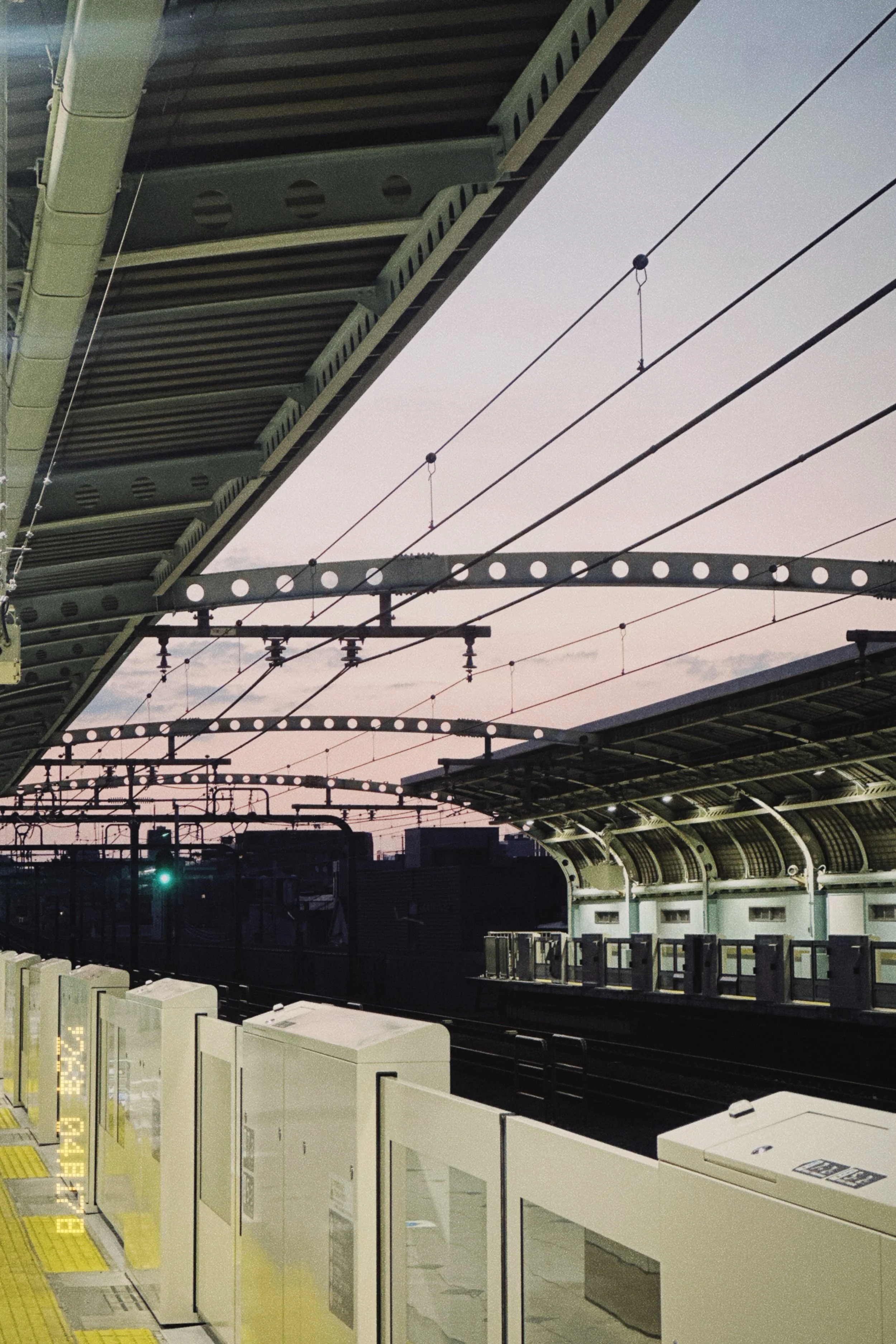
I love the evening skies on my way home from work.
I think this is something I didn't fully understand when I first moved to Japan.
In my earlier reflections, I wrote about wanting to find more of myself outside work and build different parts of my life here. But somewhere along the way, work took up more space than I had intended. I was so focused on growing professionally and proving that I could make it in Japan that I didn't always leave enough room for the other things I wanted to experience.
I don't think that makes the progress I've made any less meaningful. If anything, it has helped me understand that building a career here is only one part of building a life here.
Perhaps the next step isn't just figuring out where I want my career to go, but also making sure I have a life outside of it.
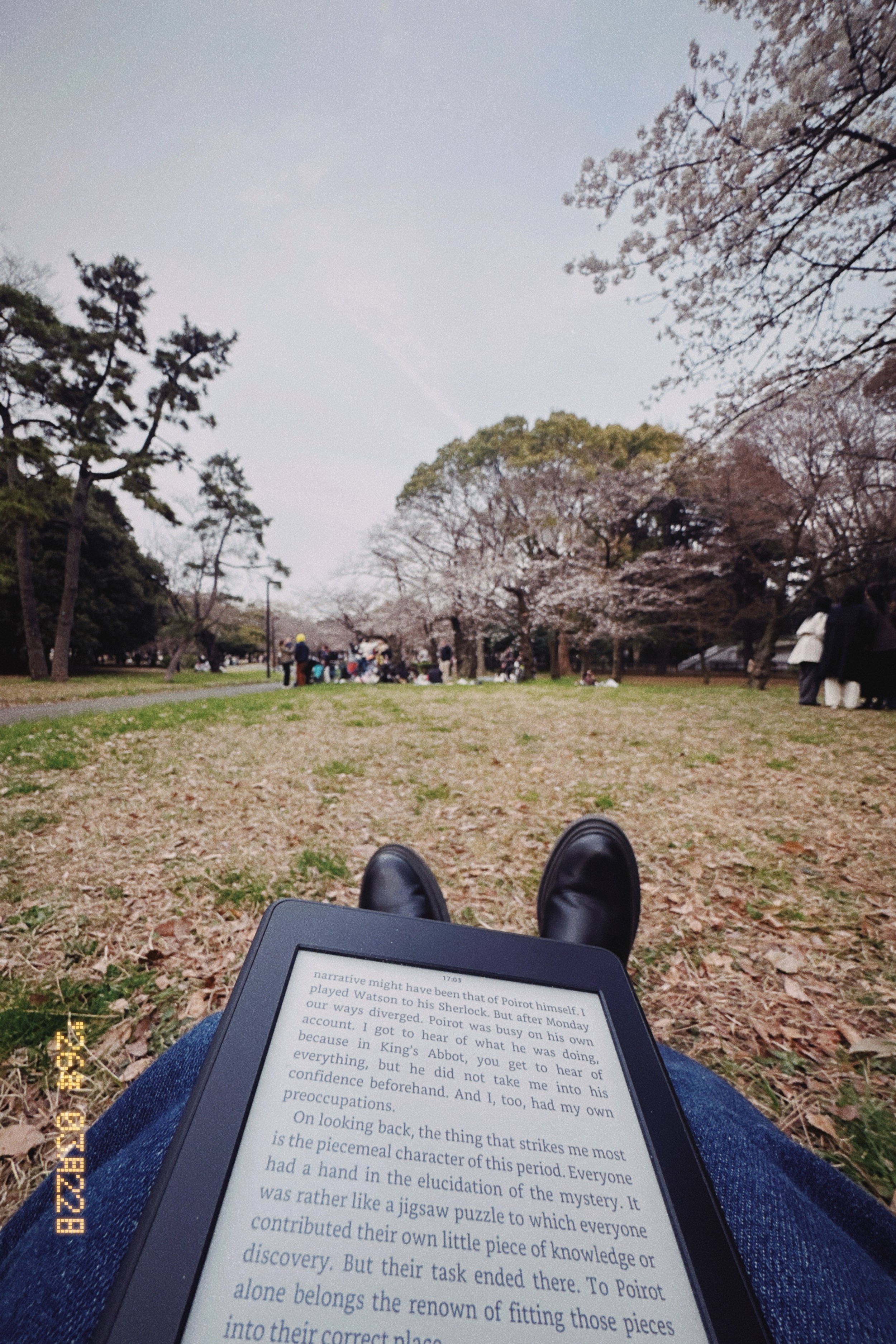
Never giving up my park days in Spring and Autumn.
Still figuring it out
I don't think I have everything figured out just yet.
If anything, having worked in different environments has given me a better idea of what I enjoy, what I don't, and what I might want to explore next. But it has also made me realise that every move comes with its own set of compromises.
I'm still ambitious, and I still want to grow in my career. I just think I'm becoming more conscious of what that growth looks like for me, rather than assuming that the next step should always mean more responsibility or moving closer to management.
When I first wrote about finding a job in Japan, I was mainly concerned about getting my foot in the door and figuring out how to establish myself here.
Since then, I've learnt a lot more about working in Japan, the industry I'm in and, perhaps more importantly, myself.
I also realise that while I came here wanting to build a life beyond work, there were times when work ended up taking priority over the other things I wanted to make room for.
I don't have a neat conclusion to that just yet. I'm still figuring out what I want my next chapter to look like, both professionally and outside of work.
For now, I suppose that's where I am.
My friend who interviewed me previously, did another check-in after one year of working! Check it out below.